

CBD became a wildly popular wellness tool, with many people incorporating CBD into their daily rituals the same way they’d incorporate a multivitamin or a cup of coffee. There are many reasons why people use CBD.
Some of those reasons are vague, some of those reasons are specific, and many of those reasons don’t seem to make sense. How can something promote better sleep while increasing mental energy, supporting athletic performance, and easing discomfort associated with arthritis?
It seems like CBD can do everything, but research supports far fewer uses than people claim. The only FDA-approved CBD product is a prescription medicine for certain rare seizure disorders, and research on other uses is still limited.
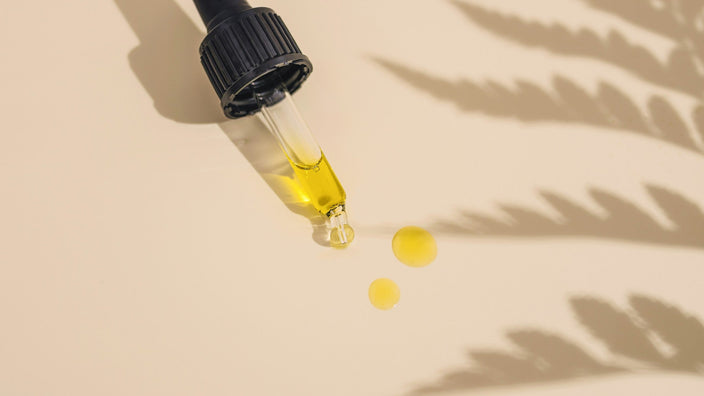
What is CBD Oil?
CBD oil is an extract from the hemp plant. Hemp is a very low THC form of cannabis. Other than the average THC content, hemp and cannabis are similar.
Many people looking to incorporate cannabis wellness products into their routines opt for hemp products due to the fact that they impart their benefits without cognitive impairment. In other words, hemp doesn’t get you high.
CBD oil is rich in cannabidiol, a cannabinoid that naturally occurs in all cannabis plants. Cannabidiol is often used as a supplement to temporarily support the overall wellness of the human body holistically. It works by interacting with the body’s endocannabinoid system to support a wide array of processes.
How Does CBD Work?
The body is full of cannabinoid receptors, broadly referred to as the endocannabinoid system. These receptors play a role in most of the major processes that take place within the body.
The human body produces its own chemicals called cannabinoids, called endocannabinoids, to stimulate the system.
Researchers still haven’t mastered the specifics of endocannabinoid production. It’s hard to tell how much of each endocannabinoid the body needs and exactly what they’re used for because they’re immediately released and utilized.
The theory behind CBD is that it stimulates the system in a way similar to endocannabinoids. It interacts with the endocannabinoid system as that system works to ease emotional and physical tension and stress, support the immune system, and promote regular gastrointestinal health in addition to many other functions.
CBD doesn’t necessarily act as a medication, as many people expect it would. CBD doesn’t supersede your body’s ability to do the things it’s designed to do. It’s simply a helping hand that supports your body in the routine task of maintenance.
How Can CBD Help?
CBD isolates, edibles, and extracts can work to ease physical and emotional tension throughout the body. Stress can exacerbate the symptoms of chronic pain, rheumatoid arthritis, or other conditions that impact the muscles and joints. CBD may help some people with joint pain feel a little more at ease by promoting a better mood and supporting overall well-being.
CBD also communicates with the systems in your body responsible for promoting immune system response and inflammatory response.
Although CBD is not directly an immunity supplement or an anti-inflammatory supplement, it can often be used in conjunction with approved treatments or supplements for this purpose.
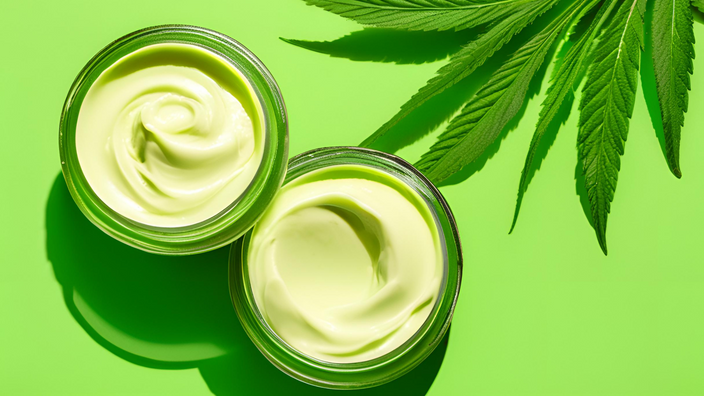
If your joint pain is keeping you up at night, topical CBD, such as CBD creams, balms, salves, and lotions, may be a partial solution. Additionally, many people who use CBD oil tinctures find it easier to unwind at bedtime. It’s always easier to get better quality sleep when you’re fully relaxed.
CBD Works Slowly
If you’ve tried CBD to no avail, there may be a simple explanation for that. Some studies involving CBD use for targeted purposes have produced encouraging results, but those studies don’t take place in a day. Most of the results are recorded between four weeks and ten weeks of daily use.
CBD results depend on potency, consistency, and proper dosing. It may help to support relief, but it won’t be an immediate solution. It’s best to use CBD in conjunction with a product designed to meet your immediate needs. Your long-term well-being is just as important as your immediate well-being. Making choices to benefit them simultaneously and sticking to those choices is the beginning of a long and rewarding wellness journey.
Finding Immediate Relief for Joint Pain
CBD isn’t right for everyone, because it can cause side effects and interact with other medicines. With your doctor’s approval, it can safely be incorporated into many daily wellness routines. However, it requires sufficient time to provide adequate relief from symptoms. It’s best to think of CBD as a second line of relief.
People living with joint pain also require immediate relief when aches begin. When joint pain is actively affecting you, here’s what you can do to ease your symptoms.
Talk to Your Doctor About Joint Pain
If you have recurring joint pain without a clear cause, you need to speak to your doctor and be examined for joint disease. It’s important to explore possibilities like arthritis if you haven’t already been diagnosed with the condition that impacts your joint health.
About one in five U.S. adults has diagnosed arthritis. Planning a visit with your doctor to discuss your options should be your first step.
Use Over-the-Counter Drugs Sparingly
Many people use over-the-counter pain relievers like acetaminophen and ibuprofen for relief from breakthrough pain and inflammation. Using these pain relievers occasionally won’t pose a problem for most people, but frequent use can have adverse side effects.
Ibuprofen can damage the stomach lining, and acetaminophen can cause liver damage. Using these drugs as a daily long-term solution for pain is inadvisable. These medications don’t work directly at the source of the pain.
They impact the entire body, whether or not they need to, and they can have drug interactions. Why medicate your whole body when you’re seeking localized relief?
Choose Topicals for Targeted Relief
Topicals address joint pain at the source. They’re applied to the skin surrounding the achy joint. A little massage encourages them to penetrate the top layer of the skin, providing cooling and soothing relief to the joint.
Topicals should be used only as directed on the label. One application usually provides relief for several hours. The combination of soothing ingredients in topical creams can go a long way to improve the way your aching joints feel.
You can use topicals in conjunction with full-spectrum or broad-spectrum CBD products. Check with your doctor first, because CBD can interact with other medicines.