

What Is Lidocaine?
Lidocaine is a local anesthetic. General anesthetics are gases or medications that put the body and brain in a paused and unconscious state. Local anesthetics numb a specific area. They’re often used for procedures where the patient will be awake.
Throughout these short procedures, lidocaine temporarily blocks the sensation of pain from reaching the brain. It doesn’t treat the pain. It simply helps prevent the pain from becoming a problematic sensation throughout the procedure. Instead, you may feel a slight pressure in the area being treated. There will be no sharp or startling sensations.
Topical lidocaine works similarly to injectable lidocaine. It simply produces less profound results. Instead of making the area completely and thoroughly numb, topical lidocaine makes the skin and tissue surrounding the area numb.
Is Lidocaine Safe?
Lidocaine in small amounts is generally recognized as safe for anyone who doesn’t have a history of adverse reactions to topical anesthetics. You should always use lidocaine products produced by reputable companies and apply them according to the package directions.
Lidocaine shouldn’t be used with other anesthetic products, numbing creams, or patches. Interactions with topical lidocaine are uncommon when it’s used as directed, but they can happen. If you take prescription medications, ask a doctor or pharmacist before adding lidocaine to your routine.
If you’re unsure, talk to your doctor before using a lidocaine pain relief product. This is especially important if you’re already following treatment or medication for a pain-related condition under your doctor’s supervision.
What Is Lidocaine Used For?
Lidocaine can be used to help temporarily relieve or prevent pain. People apply lidocaine products to their skin before undergoing painful or uncomfortable treatments. Lidocaine can also be applied after pain arises, quickly reducing the sensation of the pain.
Lidocaine is the anesthetic most commonly used in dental procedures. Unless they require complex or extensive surgery that will take hours to perform, most dental practices do not utilize general anesthesia.
Instead, dentists inject lidocaine directly into the affected area to block the nerves from sending pain signals. In some cases, lidocaine is administered with a medication to make the patient sleepy or euphoric, which reduces their awareness of the procedure.
Some doctors use lidocaine injections to prepare patients for sutures. Deep cuts or wounds that require surgical closure are first treated with lidocaine. The patient won’t be able to feel the sutures as the doctor performs them.
What Does Pain Relief Cream With Lidocaine Help to Treat?
In most medical settings, doctors or nurses will administer very strong lidocaine shots. This amplifies the effects of lidocaine. In non-surgical scenarios, people or practitioners can prepare the area with topical lidocaine to reduce the sensation of pain from the surface of the skin.
Numbing Before Cosmetic Procedures
Medical aestheticians and dermatologists often numb the skin with lidocaine before injectable fillers or laser treatments, using products and amounts chosen specifically for that procedure.
If you’re planning a tattoo, waxing, laser hair removal or another cosmetic treatment, ask your provider what they recommend for numbing. Over-the-counter pain relief creams like Hempvana’s are labeled for the temporary relief of minor aches and pains, not for numbing the skin before procedures.
What About Cuts, Burns or Irritated Skin?
Lidocaine pain relief creams aren’t meant for wounds, rashes, sunburn or other damaged skin. Their Drug Facts labels warn against using them on wounds or on damaged, broken or irritated skin, because damaged skin can absorb more of the active ingredient than intended.
For minor cuts, scrapes and burns, follow standard first aid, and ask a pharmacist or doctor about products made for that purpose.
Muscle and Joint Pain
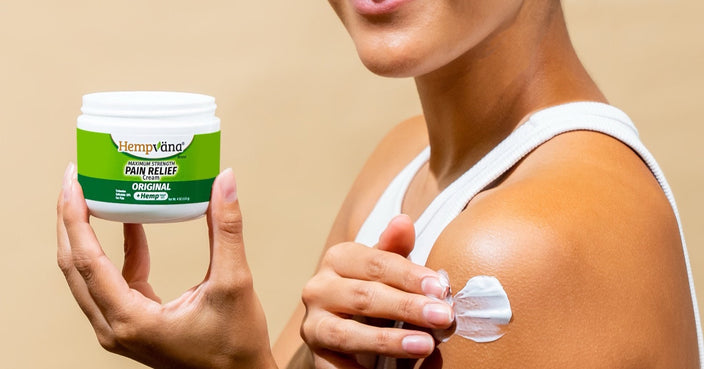
Pain relief cream with lidocaine penetrates the top layer of the skin and prevents the receptors in the skin from sending pain signals to the brain. People with pulled muscles or achy joints may benefit from temporary pain relief cream with lidocaine to provide targeted relief to the muscles or joints affected by discomfort.
Nerve Pain
People who experience nerve pain often turn to lidocaine as a simple and quick solution. Many people live with nerve pain due to the Shingles virus, which is a reactivation of the Chickenpox virus.
Shingles can cause recurring and persistent nerve pain. Since this pain is chronic, many people prefer to avoid treating the pain with medications that aren’t intended to be used long-term.
Topical relief from medications like lidocaine may be a viable, safe option for temporary, short-term pain relief.
How To Use Pain Relief Cream With Lidocaine
Manufacturers will include instructions with their product for safe usage practices, the amount to use, and which areas of the body the cream is suited for. Following those instructions is imperative.
Lidocaine cream may leave a lingering numbness on your hands after application. If you’re experiencing pain in your hands, this can be a benefit. If you aren’t, using disposable nitrile or latex gloves to apply the cream will prevent it from causing numbness to the hands.
Apply a modest amount of the cream to the treatment area. Remember that it’s easier to apply more if you need it but challenging to take cream away if you use too much. Always estimate on the lower end and add another dab if you need it to cover the entire area.
Apply the cream to the skin with massaging motions. Massaging motions will help the cream penetrate the skin, rather than sitting on the surface or transferring to other parts of the body. Take your time rubbing it in.
The act of massage also contributes to overall pain relief. Massage stimulates the affected muscles and joints, encouraging the body’s natural processes to reduce swelling and support healing of the affected area.
Take your time with this process. You might find that the massage is just as important in providing relief as the lidocaine cream.
Hempvana Has the Relief You Need
Hempvana Ultra Strength Pain Relief Cream with Lidocaine is formulated with 4% lidocaine. Many lidocaine pain relief creams have a strong, off-putting medicine smell. Ours is completely odorless. You won’t fill up the room with the tell-tale smell of muscle pain relief products.
You can turn to Hempvana when you’re experiencing aches and pains in your joints or muscles. As with any OTC pain reliever, read the Drug Facts label and use it only as directed.