

What Causes Muscle Pain?
Identifying the cause is most of the job. Some muscle pain is acute and resolves on its own within a week; some is chronic and persists well after whatever triggered it. For a broader look at how muscle pain compares to other pain types, this guide to 5 types of pain and how to relieve them is a useful starting point.
Intense Exercise or a Specific Strain
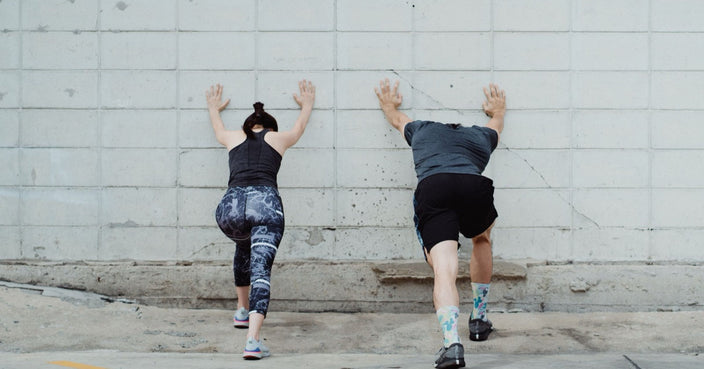
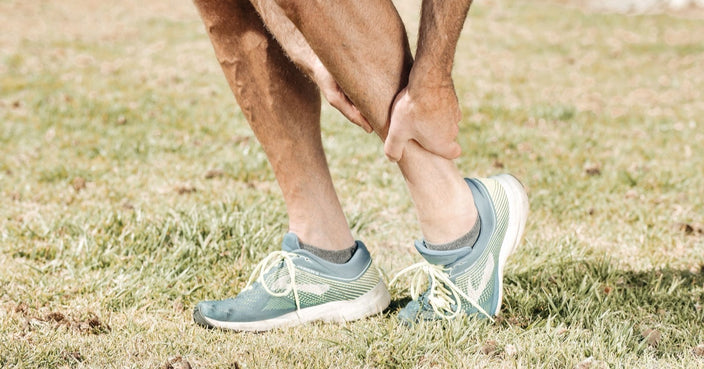
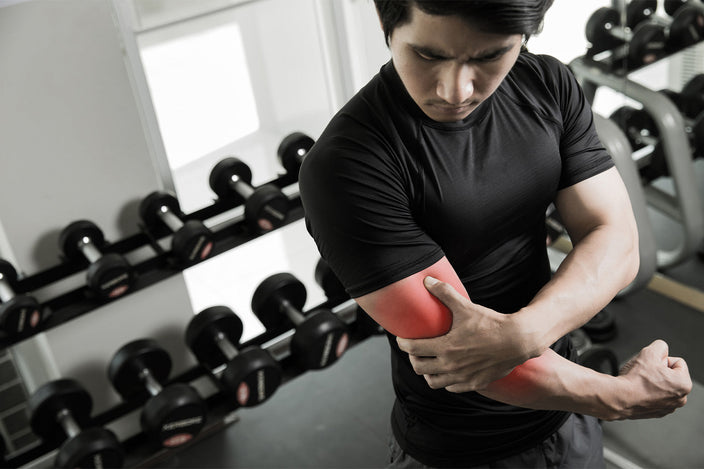
Muscle pain after a hard workout is common, and if it's mild, it usually resolves within a few days of rest and proper post-workout care. It shouldn't persist for longer than a week. A sudden, sharp pain during activity, rather than a general ache the next day, points to an actual muscle strain instead, which follows a slightly different recovery timeline.
Overuse Injuries
Jobs and hobbies that involve standing all day or repetitive motion, like factory work, landscaping, tennis, or gardening, can lead to overuse injuries, according to Mayo Clinic.
Poor Posture or Sleeping Position
Whether you're sitting, standing, or lying down, keeping your spine aligned matters for avoiding muscle and joint strain, per Mayo Clinic. A supportive mattress and a properly set-up desk chair go a long way toward preventing posture-related muscle pain before it starts.
Underlying Health Conditions
If the source of your pain isn't obvious, and adjusting your posture or sleep setup isn't helping, an underlying health condition or nutrient deficiency may be contributing. This is the point to loop in a doctor rather than keep guessing.
How to Relieve Muscle Pain Fast
These are the methods that actually move the needle, roughly in the order most people reach for them. You don't need to do all ten at once; use what fits your situation.
Rest and Protect the Area
Stop doing whatever caused the pain, or anything that reproduces it, for the first day or so. Protecting the muscle early gives it room to start healing instead of getting re-aggravated by every repeat motion.
Ice It First
For the first 48 to 72 hours, ice it. Apply a cold pack wrapped in a thin towel for 15 to 20 minutes at a time, several times a day. Never leave it on longer than 20 minutes and never place it directly against skin. Icing controls swelling and dulls the pain while the muscle is in its most reactive window.
Switch to Heat After 48 to 72 Hours
Once the acute swelling has settled, a warm compress, heating pad, or warm shower increases blood flow and helps with the stiffness that sets in. For general tightness with no specific injury behind it, heat from the start is fine.
Compression and Elevation
Wrap the area snugly with an elastic bandage, loosening it if it starts to throb or tingle, and prop the area up above heart level when you can. Both help most when there's visible swelling.
Over-the-Counter Pain Relievers
Ibuprofen and acetaminophen can relieve widespread muscle pain for a short period, but neither is meant for long-term use. Acetaminophen can become toxic to the liver in excess, per NCBI, and ibuprofen can cause stomach ulcers or bleeding with frequent use, per MedlinePlus. Use these sparingly, and check with a pharmacist or doctor if you find yourself reaching for them regularly.
Topical Pain Relief
Topicals put the active ingredient where the soreness actually is, rather than routing it through your whole system. Hempvana's Original Pain Relief Cream uses trolamine salicylate at 10%, temporarily relieving minor pain associated with arthritis, simple backache, muscle strains, sprains, and bruises, with cold-pressed hemp seed oil in the formula to condition the skin. The Cold As Ice Roll-On is the menthol option, for the temporary relief of minor aches and pains of muscles and joints associated with simple backache, arthritis, strains, bruises, and sprains, with an applicator that's easier than rubbing in a cream by hand. Follow the label directions, keep it off broken skin, and use it alongside the rest of this list, not instead of it.
Gentle Stretching
Once the sharp pain has eased, usually a day or two in, gentle stretching keeps the area from stiffening up while it heals. Stretch to the point of mild tension, never into sharp pain, and hold each stretch for 20 to 30 seconds.
Massage
Massage therapy is worth it for recurring muscle pain. You don't need to book an appointment for minor, localized discomfort; gentle self-massage at home works for that. Biweekly or monthly sports massage helps people with an active lifestyle keep frequently strained muscles in better shape.
Stay Hydrated and Support Recovery
Your body needs water and balanced nutrition to repair muscle tissue. Stay hydrated, keep your electrolytes up, and prioritize protein so your body has what it needs to restore the muscle rather than just numbing the discomfort. For soreness from exercise specifically, tart cherry has some early research behind it: a small, double-blind study of 23 resistance-trained men found that powdered tart cherry capsules reduced perceived soreness in one heavily worked thigh muscle after an intense leg workout, compared to a placebo, though overall pain scores did not differ significantly. It's a modest, limited finding, not a replacement for the basics above.
Relaxation and Breathing
Muscle tension often gets worse with stress, and relaxation techniques can help break that cycle. The NHS recommends breathing slowly and deeply when pain is intense, which helps you stay relaxed and keeps muscle tension from making the pain worse, along with practicing relaxation techniques like breathing exercises or meditation regularly. Even a few minutes of this can take the edge off a tight, sore muscle.
When to See a Doctor
Most muscle pain resolves on its own within a week of basic home care. See a doctor if:
- The pain is unexplained, intense, or recurring, and doesn't improve within a few days
- It's accompanied by fever, or shows up alongside signs of infection like redness, warmth, or swelling
- It started after beginning or increasing the dose of a new medication
- You have an underlying condition like multiple sclerosis, where muscle aches can be a symptom rather than a standalone problem
One useful marker: every Hempvana Drug Facts label carries the same instruction, stop use and ask a doctor if symptoms persist for more than seven days, or clear up and then recur within a few days. It's a reasonable line to hold yourself to whether or not you're using a topical.
How to Prevent Muscle Pain
Most muscle pain is preventable by paying attention to what your body is telling you before it becomes a problem.
Set Up Your Workspace Properly
Set your monitor at eye level and keep your keyboard within easy reach, so you're not straining your neck and shoulders just to see the screen. A few minutes of adjustment can head off hours of tension building up over a workday.
Choose a Supportive Sleeping Position
A pillow between your knees if you sleep on your side, under your hips if you sleep on your stomach, or under your knees if you sleep on your back keeps your spine aligned overnight. The wrong position for hours at a stretch is a common, overlooked source of morning muscle pain.
Alternate Muscle Groups After a Workout
Give each muscle group about two days of rest before working it again. Training the same muscles too frequently doesn't leave enough time to recover, which is a common route to overuse pain.
Warm Up and Build Intensity Gradually
Warm up before activity, and increase intensity or duration gradually rather than jumping straight into a hard session. Mayo Clinic recommends this same gradual approach specifically to avoid overuse injuries, the same cause covered earlier in this guide.
Hempvana Helps You Get Back to Feeling Like Yourself
For the day-to-day soreness that doesn't need a doctor's visit, Hempvana's Original Pain Relief Cream is formulated with 10% trolamine salicylate, an active labeled for the temporary relief of minor pain associated with muscle strains and sprains. Not sure which option fits your situation? The Remedy Finder Quiz narrows it down in a minute, or read through customer reviews first.