

Hemp has a rich history that spans thousands of years and has been utilized for many purposes. Often overlooked, one significant aspect of hemp's value is its use in the development and production of pain relief products. The resiliency and versatility of hemp have made it a key ingredient in developing innovative and natural pain alleviation solutions throughout the centuries. In this blog post, we dive into the deep-rooted history of hemp and explore its various uses, mainly focusing on how it has become a pivotal component in creating effective pain relief products.
Hemp History: A Journey Through Time
The history of hemp is as fascinating as it is long. Evidence of hemp cultivation dates back to 8000 BCE in the regions that are now Taiwan. Almost every ancient civilization recognized hemp for its medicinal properties. Hemp was used in ancient China for several purposes, including pain relief, and its use was recorded in one of the world's oldest pharmacopeia, the Pen Ts'ao Ching, which suggested it for a multitude of ailments.
In ancient India, hemp was lauded for its analgesic effects. The Atharvaveda, a sacred text of Hinduism, describes hemp as one of the "five sacred plants." During the Middle Ages in Europe, hemp continued to be an integral part of everyday life, being used for clothes, ropes, and as a pain reliever in folk medicine.
The hemp journey into the Western world continued in the early colonial days of America. Records show that settlers were legally required to grow hemp in the 17th century for its essential use in creating products needed for the colony's expansion. As it pertains to medicine, hemp extracts were commonplace in pharmacies and doctors' offices throughout the 19th century until the prohibitive legislation of the early 20th century sidelined its medicinal use.
Uses of Hemp: The Powerhouse Plant
Hemp is one of the most versatile plants in the world. It is able to grow in a variety of climates and conditions, and it is heralded for a multitude of uses.
Textiles and Building Materials
Hemp fibers, known for their strength and durability, have been used historically to produce textiles like rope, cloth, and sail canvas. These fibers are also utilized in innovative building materials like hempcrete, a sustainable and energy-efficient construction material.
Nutritional Benefits
Hemp seeds and oils have gained popularity due to their high nutritional value. They're rich in essential fatty acids like omega-3 and omega-6 and contain a good balance of amino acids, fibers, and vitamin E antioxidants.
Environmental Impacts
Additionally, hemp's environmental benefits are profound. It proliferates, requires minimal pesticides and herbicides, and is known for its phytoremediation properties—meaning the plant can detoxify and enrich the soil in which it grows.
Modern Innovations
In the technological era, hemp is used for bioplastics, biofuel, and even nanomaterials, illustrating the modern innovation potential of this age-old plant.
Yet, one of the most significant uses of hemp lies in the realm of natural therapeutics, particularly its incorporation into pain relief products.
Revolutionizing Pain Relief: Hemp's Therapeutic Properties
Pain can significantly impact the quality of life, and many suffer from chronic conditions seeking relief. Over time, the understanding and appreciation for hemp's role in managing pain have expanded, leading to a demand for natural pain relief options. This is where hemp has drawn interest, thanks to its potential anti-inflammatory and analgesic properties, though research on them is still limited.
Cannabinoids and the Human Body
Hemp contains cannabinoids, compounds that interact with the human body's endocannabinoid system (ECS). The ECS plays a crucial role in regulating pain sensation, and researchers are studying whether cannabinoids from hemp can help modulate these pain signals. CBD (cannabidiol) has gained much attention, but a 2018 review of 47 studies found only a small benefit of cannabis and cannabinoids for chronic pain.
Hemp Seed Oil and Pain Relief
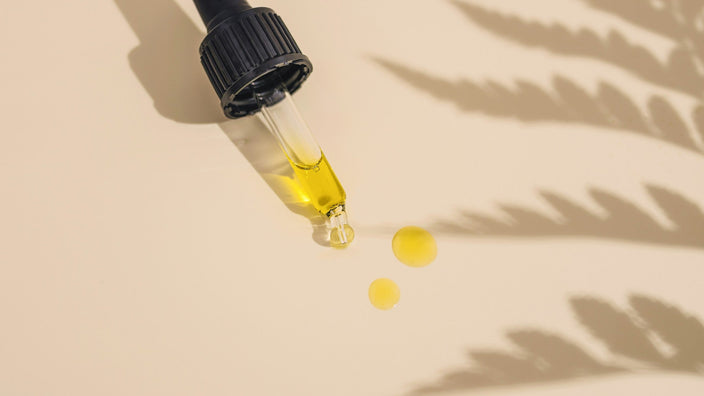
Hemp seed oil, derived from the seeds of the hemp plant, contains no THC and little to no CBD but is rich in omega-3 and omega-6 fatty acids. These fatty acids can nourish the body, but hemp seed oil is not a pain reliever on its own.
From Traditional Use to Modern Pain Relief Products with Hemp
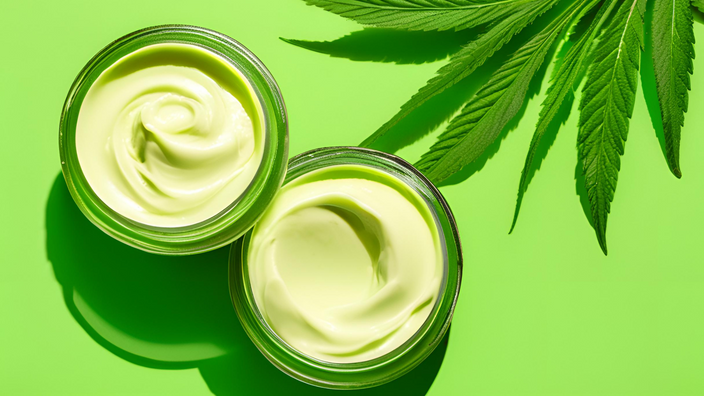
With such a promising natural profile, hemp has been incorporated into a wide array of pain relief products. Topicals such as creams, salves, and ointments made with hemp extracts are widely available.
Topical Applications

Topical applications of hemp-infused products allow for targeted relief, often soothing the applied area. When they contain a topical pain reliever such as menthol, camphor, or a salicylate, these products may help alleviate joint pain, stiffness, and muscle aches without the psychoactive effects associated with THC, another cannabinoid found in marijuana.
Broad-Spectrum and Full-Spectrum Hemp Extracts
For those seeking a full plant profile in their pain relief products, broad-spectrum and full-spectrum hemp extracts contain additional cannabinoids and terpenes that work synergistically in what's known as the "entourage effect," potentially enhancing the overall therapeutic outcomes.
Safety and Efficacy
The safety profile of hemp-based topical products is often well-tolerated, with minimal side effects, making them a compelling option for those wary of pharmaceutical pain relievers and their potential side effects and dependency issues. When expertly formulated, these natural products can provide relief while nourishing the skin, adding to their appeal.
Final Thoughts: Hemp Continues to Make History
From ancient civilizations to modern medicine cabinets, hemp's journey as a pain relief ally has been profound. It's clear that hemp's rich history has set the stage for its current and future applications. As we continue to witness the resurgence of hemp-based products, we are reminded of the enduring legacy of this incredible plant.
Using hemp in pain relief products demonstrates the plant's versatility. With ongoing research and development, hemp has immense potential to revolutionize pain management. The story of hemp is far from over, and it will likely continue to unfold as we discover even more ways this timeless plant can improve our health and well-being.