

In recent years, hemp-based products have surged in popularity thanks to the growing awareness and acceptance of their myriad benefits. From dietary supplements to skin care products, hemp extracts are making their way into everyday routines in multiple forms. This blog post aims to delve deep into the world of hemp extracts in creams. We'll explore what hemp extracts are and the medicinal and cosmetic properties they offer when infused in creams.
What Are Hemp Extracts?
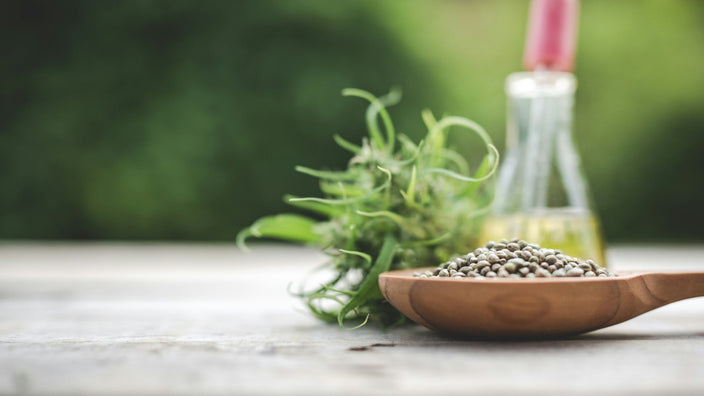
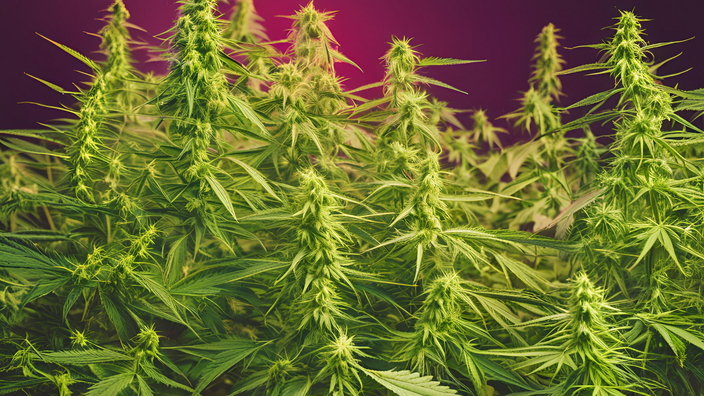
Hemp extracts are derived from the hemp plant (Cannabis sativa), known for its industrial, nutritional, and therapeutic uses. These extracts, particularly those derived from hemp seeds, leaves, and stalks, can contain various beneficial compounds, including cannabinoids (with only low levels of THC, which is psychoactive), terpenes, and flavonoids. Hemp seeds themselves do not naturally contain THC or CBD.
Types of Hemp Extracts
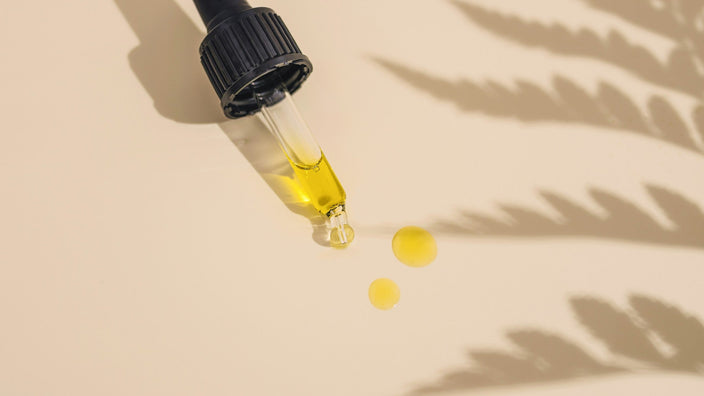
- Hemp Seed Oil: Extracted from the seeds of the hemp plant, this oil is rich in essential fatty acids, nutrients (such as vitamin E), and proteins. It is known for its moisturizing and healing properties.
- Full Spectrum Hemp Oil: Contains all the cannabinoids found in the cannabis plant, including CBD, CBG, and trace amounts of THC.
- Broad Spectrum Hemp Oil: Similar to full spectrum but with THC removed.
- CBD Isolate: The purest form of CBD, isolated from other cannabinoids.
Each type offers different benefits, and the choice of extract depends on the intended use and consumer preference.
Benefits of Hemp Extracts in Creams
Hemp extracts are increasingly being used in creams due to their potent properties. Here's why:
Moisturizing Properties
Owing to its rich profile of fatty acids, hemp seed oil is an effective moisturizer. It helps:
- Hydrate dry skin
- Lock in moisture, preventing transepidermal water loss
- Maintain the skin's natural barrier
Anti-inflammatory Effects
Hemp extracts, especially those containing CBD, are known for their anti-inflammatory properties. This can help:
- Soothe irritated skin
- Reduce redness and swelling
- Possibly ease symptoms of conditions like eczema and psoriasis, though the evidence is limited

Anti-aging Benefits
The antioxidant properties of hemp extracts can help combat:
- Free radical damage
- Signs of aging such as fine lines and wrinkles
- Promoting overall skin health
Pain Relief
Many users tout the pain-relieving benefits of creams infused with hemp extracts. Research on this is limited, and many of these creams also contain other active ingredients, so any benefit may not come from the hemp extract. Users say that the application of such creams can provide relief from:
- Muscle soreness
- Joint pain
- Arthritis
Non-comedogenic
Hemp seed oil is non-comedogenic, meaning it won't clog pores, making it suitable for all skin types, even acne-prone skin.
Exploring More Hemp-Based Products
Pain relief creams are only one among many hemp-infusion innovations. Here are a few categories where hemp extracts shine:
Skincare Products
The cosmetic industry is witnessing a surge in hemp-based skincare products like:
- Moisturizers: Offering deep hydration without clogging pores.
- Serums: Packed with antioxidants to fight signs of aging.
- Face Masks: Providing intensive hydration and rejuvenation.
Hair Care Products
Hemp extracts are beneficial for hair health as well. Many shampoos and conditioners now feature hemp seed oil to:
- Possibly support hair growth, though studies haven't confirmed this
- Improve scalp health
- Provide deep nourishment
Therapeutic Products
Beyond cosmetics, therapeutic products such as balms, lotions, and patches infused with hemp extracts are becoming widely accessible. Services include:
- Possible anti-inflammatory effects, which still need to be confirmed in larger human studies
- Muscle relaxants
- Enhanced efficacy, especially when combined with other pain-relieving ingredients
Regulation and Safety Concerns
Safety and regulation are crucial for any product, especially one that is gaining popularity rapidly. When it comes to hemp extracts, here are a few points to consider:
Quality Control
Ensure that your products are from reputable brands, with third-party testing for cannabinoids and other substances. This guarantees:
- Accurate labeling
- Free of contaminants such as pesticides and heavy metals
Legal Status
Hemp-derived products, particularly those containing CBD, can be subject to varying regulations. Check your local laws and ensure that the products comply with legal standards.
Allergic Reactions
Hemp seed oil is generally safe and well-tolerated. However, as with any product, a patch test should be conducted beforehand to rule out allergic reactions.
Final Thoughts
With the rise of alternative medicine and plant-based solutions, hemp extracts in creams are gaining momentum as a versatile and practical choice. Hemp extracts may offer various skin benefits, but research on their use for pain and skin conditions is still limited.
Many brands now combine hemp seed oil with other potent ingredients to create products that deliver on their promises and provide a pleasant user experience.
If you’re considering incorporating hemp-based products into your life, ensure you choose high-quality, ethically sourced options. As more scientific research continues to emerge, the future is bright for hemp in creams and its potential to revolutionize skincare and therapeutic solutions.